Coastal Massachusetts: Protecting Garage Doors From Salt and Corrosion
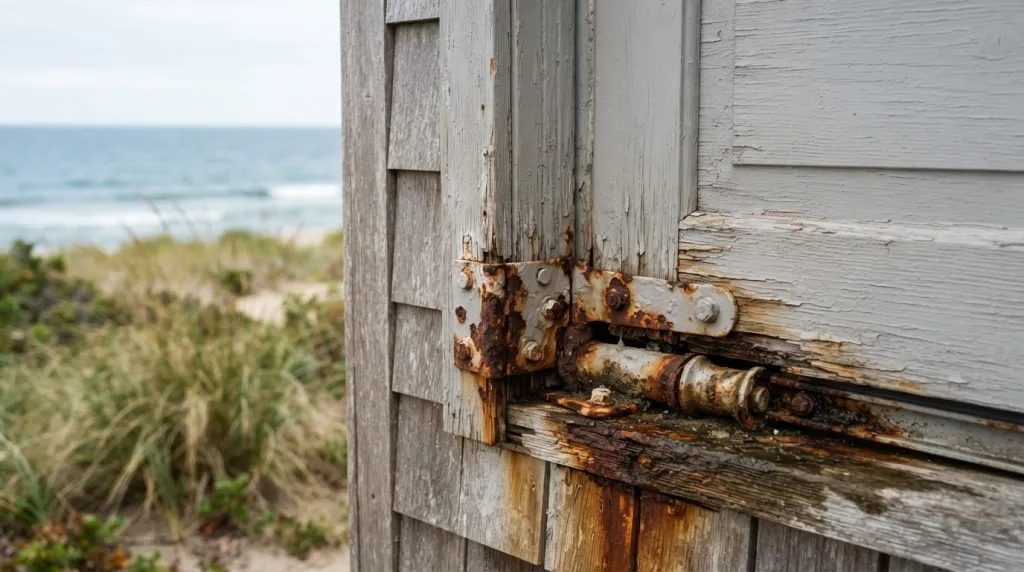
Coastal air and winter road salt can accelerate wear on metal parts. Preventive care is especially valuable near the shoreline.
Identify vulnerable components
Hinges, fasteners, tracks, cable surfaces, exposed steel edges, and door hardware can show oxidation. Look for peeling paint and rust staining, particularly where water sits or hardware meets dissimilar materials.
A gentle care routine
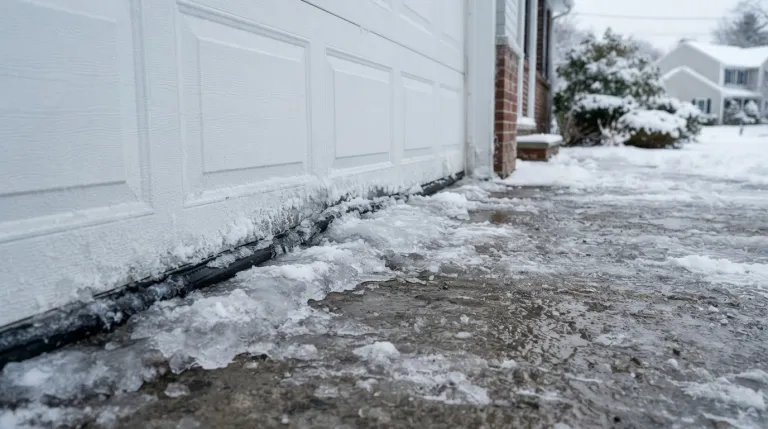
Rinse exposed door surfaces using the manufacturer’s care guidance, keeping electrical controls dry. Remove road-salt residue and grit from the threshold. Avoid harsh cleaners that could damage finish coatings or weather seals.
Choose with exposure in mind
Ask suppliers about corrosion-resistant finishes and appropriate hardware for coastal installation. “Rust resistant” is not the same as maintenance-free, and warranties may specify care requirements or exclusions for marine environments.
Know when corrosion is structural
Surface discoloration differs from pitted cable strands, weakened brackets, or rusted-through panels. Do not grind or adjust structural hardware while it is attached to a tensioned system. Have questionable parts inspected professionally.
Bottom line
Start with a careful visual check and simple manufacturer-approved steps. If the door is unsafe, mechanically damaged, or continues to malfunction, stop operating it and contact a qualified garage door professional. A proper diagnosis is safer and often more economical than repeated trial-and-error.
Need help with your garage door?
Describe the problem and your Massachusetts city when requesting service.