Garage Door Opener Not Working: Remote, Sensor, or Motor?
The cause of an unresponsive opener often depends on which control fails and how the opener behaves.
Compare the wall control and the remote
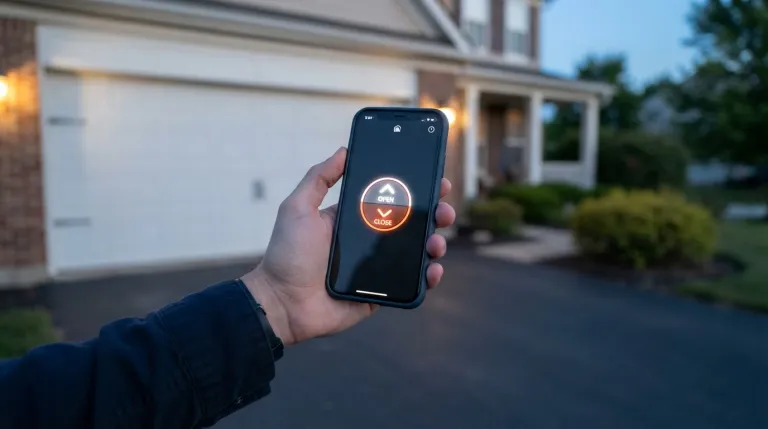
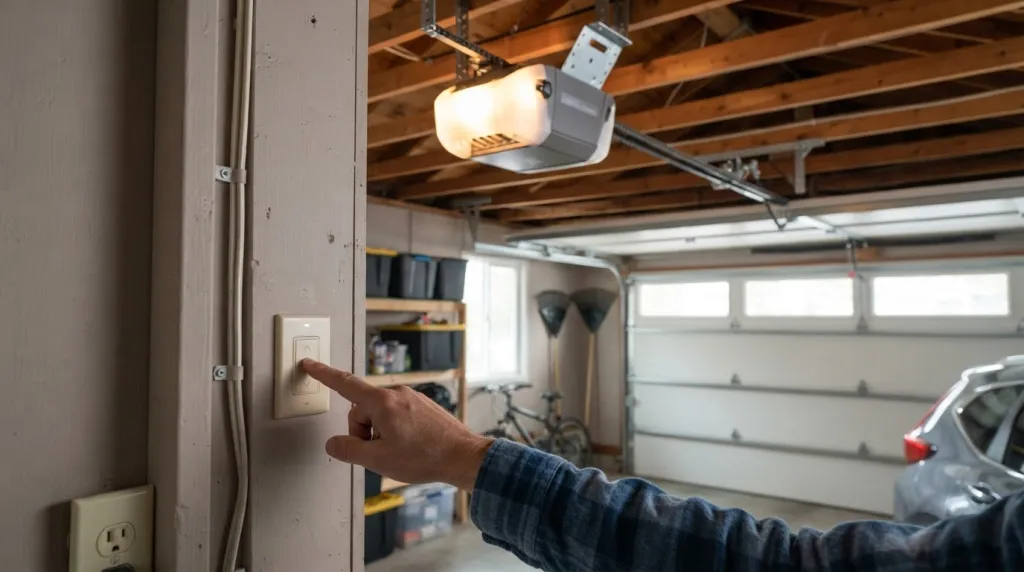
If the wall-mounted control operates the door but a remote does not, check the battery, lock setting, and programming instructions for your opener model. If neither works, check the electrical supply before assuming the motor has failed. Never bypass safety systems just to make the opener run.
Understand photo-eye sensors
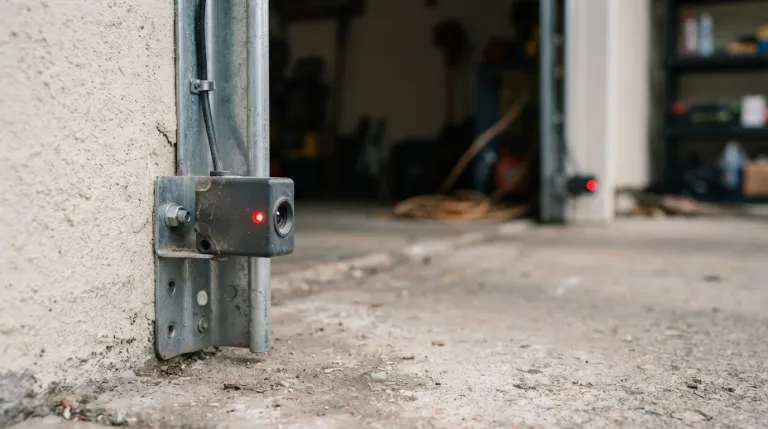
Most modern residential openers use low-mounted photo-eye sensors. Dirt, an obstruction, or a bumped sensor can stop the door from closing. Clear stored objects from the opening and gently clean the lenses. Use the manufacturer instructions to interpret indicator lights; their meanings are not universal.
Pay attention to noises and travel
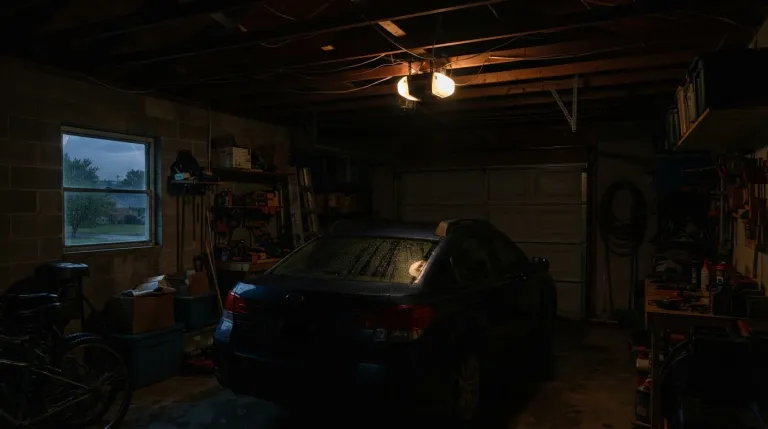
A motor that runs while the door does not move may indicate a disengaged trolley, damaged drive components, or a door problem. Grinding, repeated clicking, or partial travel warrants inspection. Avoid repeatedly cycling a stuck door because the opener is not designed to force a broken counterbalance system.
When replacement may make sense
A repair might be worthwhile for a recent unit with readily available parts. Replacement becomes more attractive when the unit lacks current safety features, parts are unavailable, or repeated repairs approach the cost of a modern opener. Compare warranty coverage, battery backup options, noise, and smart-home needs.
Bottom line
Start with a careful visual check and simple manufacturer-approved steps. If the door is unsafe, mechanically damaged, or continues to malfunction, stop operating it and contact a qualified garage door professional. A proper diagnosis is safer and often more economical than repeated trial-and-error.
Need help with your garage door?
Describe the problem and your Massachusetts city when requesting service.