Repair or Replace Your Garage Door? A Practical Decision Guide

The right decision depends on safety, structural condition, cost, insulation needs, and how long you plan to keep the home.
Repair is often reasonable when
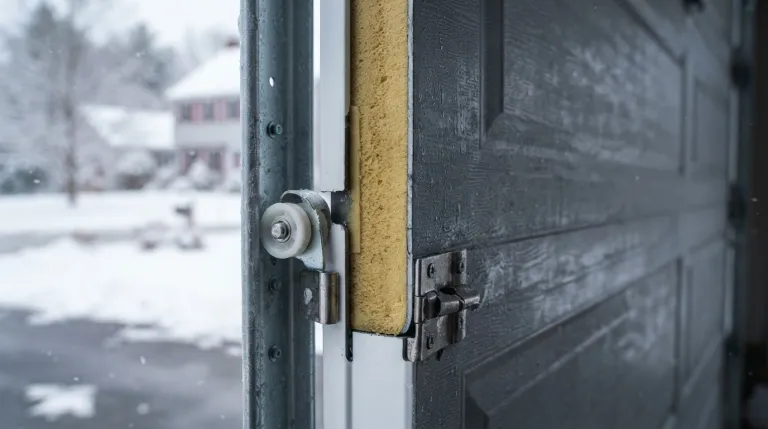
An isolated hinge, seal, roller, or opener component may be replaceable if the surrounding structure is sound. Ask for a written diagnosis with the specific failed component, proposed work, and any safety issues that remain after the repair.
Consider replacement when damage is widespread
Multiple cracked or rotted panels, severe rust, repeated track failures, or a door that no longer fits the opening can make replacement more attractive. Severe damage to sectional joints or a heavily distorted frame may undermine an otherwise inexpensive repair.
Compare total project scope
A quoted door price may not include removal, disposal, new tracks, a compatible opener, trim work, permitting where applicable, or insulation upgrades. Ask which items are included, and whether the replacement changes the spring and hardware specifications.
Think about weather and everyday use
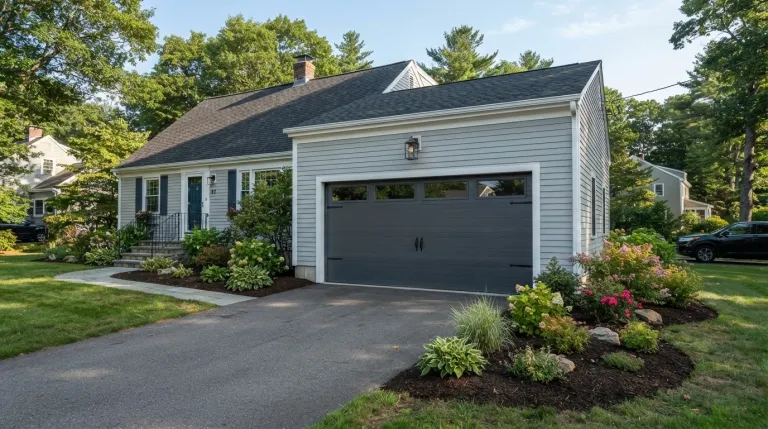
In Massachusetts, an attached garage can affect comfort near living spaces. Insulated doors and reliable seals may help, but actual energy benefit depends on the whole garage and building envelope. Also consider noise, appearance, warranty, and expected maintenance.
Bottom line
Start with a careful visual check and simple manufacturer-approved steps. If the door is unsafe, mechanically damaged, or continues to malfunction, stop operating it and contact a qualified garage door professional. A proper diagnosis is safer and often more economical than repeated trial-and-error.
Need help with your garage door?
Describe the problem and your Massachusetts city when requesting service.