Dented or Damaged Garage Door Panels: Repair or Replace?
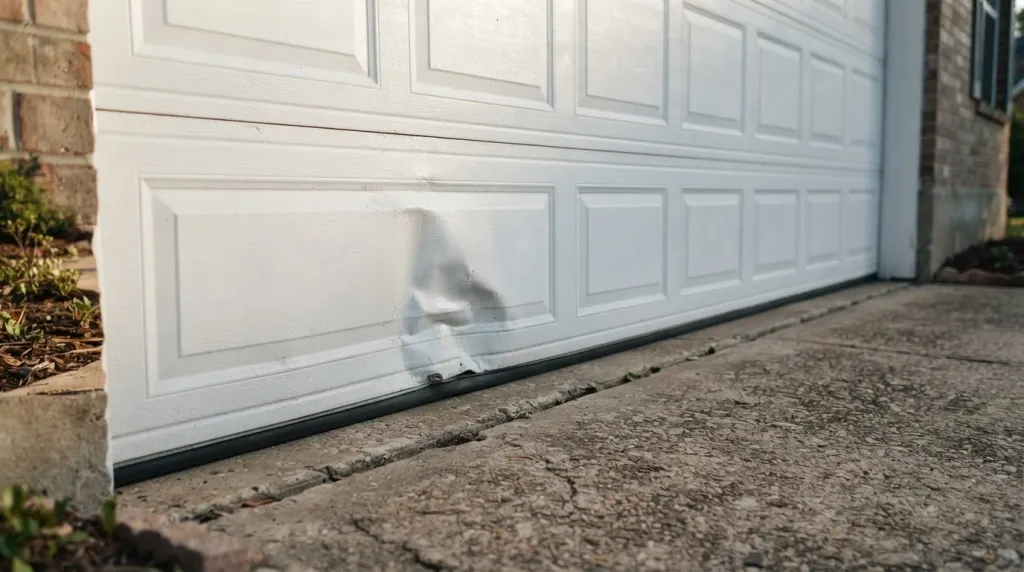
Cosmetic dents and structural panel damage are not the same problem. The right solution depends on where the damage sits.
Evaluate the severity
A shallow dent in a flat panel may be cosmetic. Cracks near a hinge, a buckled section, or damage where panels connect can affect movement and should be inspected. Avoid operating a door that bends or catches as it travels.
Check replacement-panel availability
Panel designs and finishes change over time. Even if one section can technically be replaced, the matching model, color, and profile may no longer be available. Sun exposure can also make a new section appear different from older ones.
Consider the full door
When several sections are damaged, replacement may be more practical than sourcing individual panels. Compare material age, insulation needs, warranties, and overall structural condition rather than evaluating each dent in isolation.
Ask useful quote questions
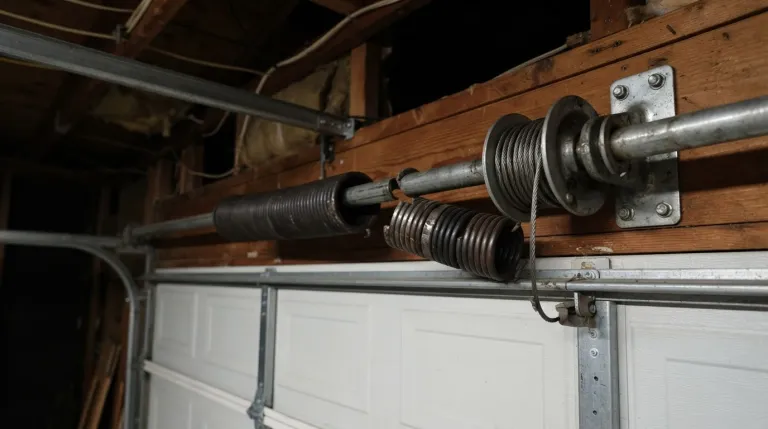
Request the exact section specification and whether labor includes hinge transfer, balance checks, and safe-operation testing. If the proposed replacement is substantially heavier, ask how the spring system will be evaluated.
Bottom line
Start with a careful visual check and simple manufacturer-approved steps. If the door is unsafe, mechanically damaged, or continues to malfunction, stop operating it and contact a qualified garage door professional. A proper diagnosis is safer and often more economical than repeated trial-and-error.
Need help with your garage door?
Describe the problem and your Massachusetts city when requesting service.