How to Make a Noisy Garage Door Quieter
Not every squeak means a major repair, but changes in sound are worth understanding.
Identify the type of noise
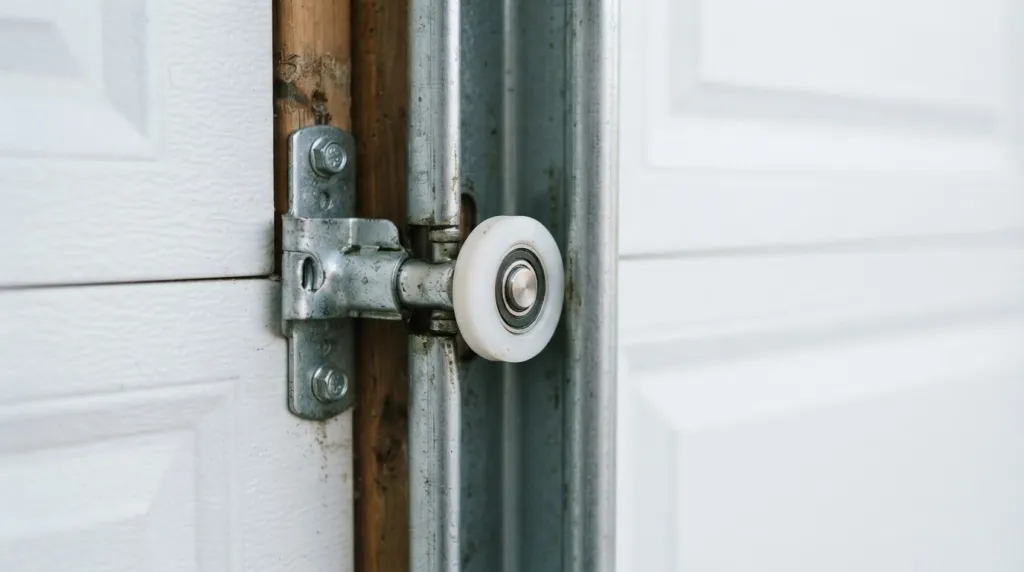
Rattling can come from loose or worn hardware; squealing may indicate roller or bearing wear; grinding can suggest track or drive problems. Listen from a safe spot as the door moves. Stop using it if the movement is jerky or the noise suddenly becomes severe.
Low-risk steps first
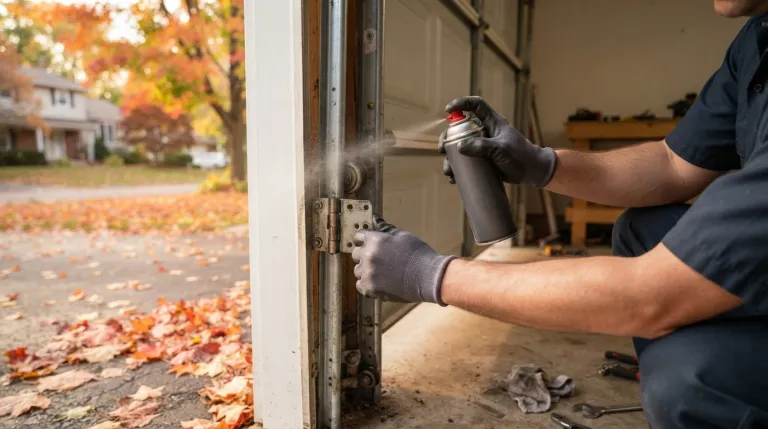
Clear stored items that could vibrate against the door. Clean debris around the opening, and follow the door and opener manufacturers’ guidance for lubrication. Avoid spraying every surface indiscriminately; some rollers or track components should not be greased.
Check opener technology
Older chain-drive openers may sound louder than some modern belt-drive models. However, replacing the opener will not solve a door with damaged rollers, unbalanced springs, or loose track hardware. Diagnose the actual source first.
When noise calls for service
A loud pop followed by difficult movement, scraping metal, or a door that shifts sideways may indicate a safety issue. Do not adjust spring tension to chase a quieter sound. A technician can assess balance, rollers, bearings, and opener settings together.
Bottom line
Start with a careful visual check and simple manufacturer-approved steps. If the door is unsafe, mechanically damaged, or continues to malfunction, stop operating it and contact a qualified garage door professional. A proper diagnosis is safer and often more economical than repeated trial-and-error.
Need help with your garage door?
Describe the problem and your Massachusetts city when requesting service.